In today's smartphone market, many consumers wonder, "What is the difference between waterproof smartphones and regular phones?" This question reflects a growing awareness of phone durability. Regular smartphones often lack protection against water and dust, exposing them to potential damage. On the other hand, waterproof smartphones are designed to withstand various elements, featuring specific ratings like IP67 or IP68.
Waterproof phones offer significant advantages. They can survive accidental drops in water or being caught in rain. Regular phones, however, might suffer serious harm in similar situations. Yet, waterproof design can sometimes compromise aesthetics or weight. Consumers may notice a difference in cost as well; high-quality waterproof phones typically come at a premium.
Choosing the right smartphone requires careful thought. One must consider their lifestyle and how often they engage in outdoor activities or are near water. It’s essential to weigh the need for protection against potential downsides. The right balance can lead to a more satisfying user experience. Understanding these differences helps users make informed choices about their devices.
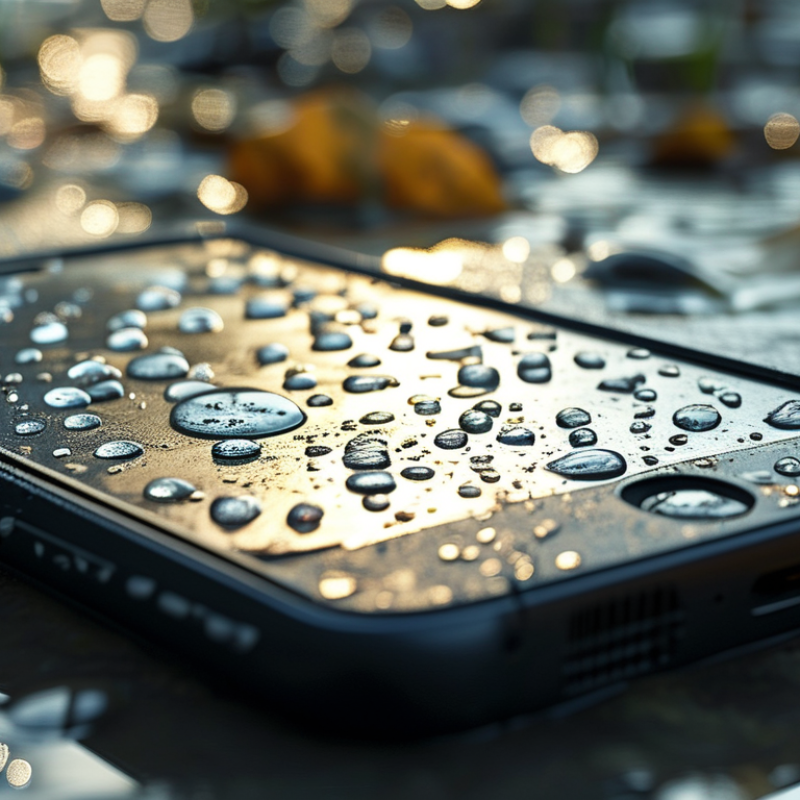
A waterproof smartphone is specifically designed to resist water damage. This capability is primarily defined by the device's Ingress Protection (IP) rating. For instance, an IP68 rating means it can be submerged in water up to 1.5 meters deep for 30 minutes without sustaining damage. A report by MarketsandMarkets states that the waterproof phone market is projected to grow significantly, driven by increasing demand for durable devices.
Regular smartphones typically lack a high IP rating. They may resist a few splashes or spills but are not designed for serious water exposure. Some tests show that even moderate water exposure can be detrimental to standard models. The risk of damage increases significantly when these phones are used near water.
Tips: Always check your phone’s IP rating before taking it near water. Even waterproof phones can have limits. Avoid exposing your device to saltwater or chlorinated water, as these can cause corrosion over time. Additionally, many users mistakenly believe their devices are fully waterproof when they are only water-resistant; be cautious in wet conditions.
Regular smartphones come equipped with a variety of essential features. Most of these devices focus on standard functionalities like calling, texting, and internet browsing. They often have impressive cameras, but they might not be as resilient as waterproof models. Regular smartphones usually provide sufficient storage for apps and photos, catering to everyday user needs.
Battery life is another critical aspect. Many regular smartphones can last a full day under normal usage. However, their performance can decline sharply with heavy tasks, such as gaming or streaming. Additionally, these smartphones lack advanced features like water-resistance, making them vulnerable to accidental spills or exposure to rain.
While regular smartphones meet the needs of most users, they might not suit everyone. Some may find the lack of ruggedness frustrating. Not everyone needs waterproof technology, but it can be beneficial for active lifestyles. Users looking for durability might feel that regular models fall short in this area. This gap highlights the importance of understanding specific user needs when choosing a smartphone.
| Feature | Waterproof Smartphones | Regular Smartphones |
|---|---|---|
| Water Resistance Rating | IP67 or IP68 | Typically IP53 to IP65 |
| Protection Against Dust | Fully protected | Limited or no protection |
| Durability | Built for harsh environments | Standard build quality |
| Usage Scenarios | Outdoor, Sports, Worksites | Casual, Everyday Use |
| Price Range | Higher | Lower |
When comparing waterproof smartphones to regular phones, the differences are clear. Waterproof phones often feature advanced sealing technologies. These phones meet specific IP ratings, indicating their resistance to water and dust. For example, an IP68 rating means a phone can withstand being submerged in water beyond 1 meter. Regular phones do not undergo these rigorous testing processes. They may not survive accidental spills or rain.
Durability is another critical factor. Waterproof smartphones tend to have reinforced materials. They often include Gorilla Glass and robust frames. Regular phones, while stylish, can be more fragile. A drop into a puddle can mean disaster for these devices. Users frequently face the dilemma of needing protection versus the desire for aesthetics. Balancing these aspects can be challenging.
Another point of consideration is pricing. Waterproof technology can raise the cost of a smartphone. Consumers weigh this against their lifestyle. Some users require durability for outdoor activities, while others might not. Investing in a waterproof device might seem excessive to those who primarily use their phones indoors. The perception of value varies greatly among individuals.
Waterproof smartphones often mislead consumers about their true capabilities. Many users believe that these devices are indestructible. However, this is a misconception. Waterproof ratings, like IP67 or IP68, indicate protection against water, not total immunity. An IP68 rating, for example, typically means the phone can survive underwater for a limited time and depth.
Another common myth is that waterproof phones don’t need care. In reality, seals can wear down over time. Exposure to saltwater or chemicals can compromise their protection. Regular maintenance is important to ensure durability.
**Tips**: To keep your smartphone safe, clean it gently with fresh water after exposure to saltwater. Always check the manufacturer's specifications for water resistance limits. Avoid long submersion, even if your phone is rated for it. Being aware of these facts can help you maintain your device better.
Waterproof smartphones have gained popularity due to their increased durability. The waterproofing process often involves sealing components with advanced materials. A smartphone with an IP68 rating can resist dust and can withstand submersion in water. This extends the lifespan of the device, especially in environments that are prone to moisture, such as the kitchen or by the pool.
However, added waterproofing can affect the design. Manufacturers may need to use thicker materials or additional seals. These changes can make phones slightly heavier or bulkier. As a result, some consumers may feel the trade-off is not worth the decreased portability. There's also the question of repairability; waterproof smartphones can be harder to fix, making them less appealing for users who value easy repairs over durability.
The real challenge lies in maintaining aesthetics without compromising functionality. While waterproofing enhances resilience, it can also lead to frustrations with trapped moisture or dust. Moreover, users might not always realize that a waterproof phone still has limits. No device is invincible, and understanding these boundaries is crucial for maximizing its potential.
: A waterproof smartphone is designed to resist water damage, defined by its Ingress Protection (IP) rating.
An IP68 rating means the phone can be submerged in water up to 1.5 meters for 30 minutes without damage.
Regular smartphones can resist splashes but are not designed for serious water exposure. This increases the risk of damage.
Always check your phone’s IP rating. Even waterproof phones have limits and should not be exposed to salt or chlorinated water.
No, waterproof phones are not indestructible. Ratings show water protection, not total immunity against damage.
Yes, seals can wear down over time and regular maintenance is important to ensure their durability and functionality.
Clean it with fresh water after exposure to saltwater and check the manufacturer's specifications for limits.
Regular smartphones may meet everyday needs but lack durability. Not everyone requires waterproof features.
Both types can last a full day under normal use, but performance may decline with heavy tasks like gaming.
Users should assess their lifestyle. Determine if they need waterproof features or if regular models suffice for their usage.
The article "What is the difference between waterproof smartphones and regular phones?" provides an in-depth exploration of how waterproof smartphones differ from their regular counterparts. It defines waterproof smartphones by their ability to resist water ingress, typically certified with an IP (Ingress Protection) rating, which indicates their level of water and dust resistance. The article highlights key features of regular smartphones, such as their design and materials, which may not prioritize waterproofing.
A comparative analysis reveals that while waterproof smartphones offer enhanced protection against water damage, regular phones can still function well under normal conditions. The piece also addresses common misconceptions about waterproof ratings, emphasizing that not all ratings guarantee complete submersion resistance. Lastly, it discusses the impact of waterproofing on device durability and design, noting that waterproof features can influence the overall aesthetics and build of the smartphone.

Elite Smartphone